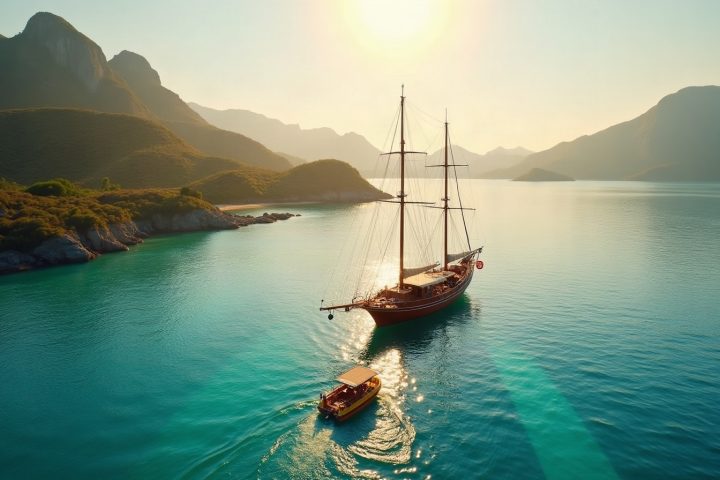
For discerning travellers seeking a unique blend of culture and nature, the Flores-Komodo-Bali itinerary offers a remarkable journey. This tightly regulated luxury-tourism corridor guarantees high standards and predictable logistics, making it an attractive choice for those looking to experience Indonesia’s pristine landscapes and rich heritage.
Getting to Komodo National Park
Labuan Bajo serves as the main gateway to Komodo National Park, strategically located in West Flores, East Nusa Tenggara. Komodo Airport (LBJ) is the primary entry point, with regular flights from Denpasar (Bali), Jakarta, and other Indonesian cities. Travellers often opt for a “Bali – Labuan Bajo – Komodo/Rinca – Labuan Bajo – Bali” itinerary, which includes short-stay return flights. Such arrangements ensure a seamless transition between the islands, allowing for maximised exploration time.
A typical one-day tour starts with an early hotel pickup in Bali, followed by a flight to Labuan Bajo. Upon arrival, a transfer to the pier is arranged for a boat trip to the dragon islands, like Rinca. The day concludes with a snorkeling stop at Kelor Island before flying back to Bali. These tours are priced around US$595-645 per person, with group discounts available. Always confirm the current rates and inclusions when booking.
Experiencing the Wildlife of Rinca Island
Rinca Island, part of the Komodo National Park, is renowned for its Komodo dragons. Visitors must be accompanied by official park rangers during treks, ensuring safety and adherence to conservation guidelines. Independent trekking is prohibited within the core viewing areas, maintaining the integrity of the habitat. Trekking options include short (approximately 45 minutes), medium (1.5 hours), and long (2 hours) trails, all offering a chance to see not only dragons but also deer, buffalo, monkeys, and various bird species.
The presence of rangers ensures a structured and informative experience, highlighting the island’s ecological significance. The cost of these guided treks is typically excluded from tour packages, requiring on-the-spot payment. This approach allows for a flexible itinerary, accommodating diverse interests and fitness levels. For a comprehensive overview of liveaboard options, visit our Komodo Phinisi Charter page.
Snorkeling and Diving Adventures
Komodo National Park is a haven for snorkeling and diving enthusiasts. However, the waters are known for strong currents, particularly at sites like Batu Bolong and Castle Rock. Licensed dive guides and boat crews assess conditions daily, ensuring safety and selecting suitable locations for all skill levels. Beginners are usually taken to calmer spots, while experienced divers can explore more challenging areas.
Snorkeling at Kelor Island offers an accessible introduction to the region’s marine biodiversity. The island is a regular stop on day trips, providing opportunities for short hikes to hill viewpoints overlooking the bay. It’s important to note that national park entrance fees, ranger/trekking fees, and conservation levies are mandatory and often collected separately. These fees reflect the Indonesian government’s commitment to sustainable tourism and wildlife protection.
Luxury Liveaboard Experiences
For those seeking an indulgent escape, the luxury liveaboard segment offers unparalleled experiences around Komodo. Phinisi schooners and high-end yachts provide 2-7-night itineraries, featuring private cabins, chef-prepared meals, and tailor-made routes. Prices range from US$1,500-4,000+ per cabin/charter, with costs varying based on vessel class, season, and inclusions.
These liveaboards cater to small groups, offering a personalised service that highlights the region’s natural beauty. The inclusion of diving and snorkeling excursions, along with the expertise of seasoned guides, ensures a memorable adventure. Interested parties should refer to our Bali to Komodo Tour page for detailed package information and booking options.
Understanding Tour Costs and Regulations
Tour prices for Komodo excursions are typically quoted in US dollars for international audiences and Indonesian Rupiah for domestic buyers. Exchange-rate fluctuations can significantly affect perceived costs. Additionally, the Indonesian government has tightened regulations in recent years, implementing visitor limits, structured ranger supervision, and conservation-driven fee adjustments.
These measures address overtourism and wildlife protection concerns, ensuring a sustainable future for the park. As such, it’s crucial to book through reputable, well-reviewed local operators or recognised international agencies. This approach mitigates the risk of scams and service failures, which have been reported in the region. Prices for luxury or upper-midrange 3D/2N Komodo liveaboard packages often fall in the range of US$400-800 per person, excluding flights.
Seasonality and Best Travel Times
The Komodo-Labuan Bajo region experiences a pronounced dry season from April to October, characterised by calmer seas and better surface visibility. These conditions are ideal for marine activities and coincide with peak tourism months (July-September). During this period, international holidays drive higher prices, fuller boats, and tighter availability on flights and luxury vessels.
Conversely, the wet season (November-March) can bring rougher seas, rain, and occasional trip disruptions. Despite these challenges, marine life remains vibrant, offering unique underwater experiences. Travellers should plan accordingly, considering both weather patterns and personal preferences. For those interested in a broader exploration of Flores, land-based tours to Ruteng, Bajawa, and Kelimutu can be combined with Komodo itineraries for a 5-10 day adventure.
Cultural Highlights of Flores
While the natural allure of the Komodo National Park often takes center stage, the cultural richness of Flores should not be overlooked. The island is home to the Manggarai people, known for their distinctive customs and traditional villages. A visit to Wae Rebo, a remote village set in the mountains, offers a glimpse into the traditional way of life, with its iconic cone-shaped houses and warm hospitality. Engaging with the locals provides deeper insights into their daily lives and the cultural heritage that has been preserved over generations.
Another cultural highlight is the town of Bajawa, renowned for its megalithic sites and traditional Ngada villages. Here, visitors can explore ancient stone structures and learn about the community’s age-old rituals and ceremonies. These experiences enrich any itinerary, adding layers of understanding to the journey through Flores and beyond.
Culinary Adventures in Bali
Bali, a pivotal part of this itinerary, is not only famous for its landscapes but also for its culinary offerings. The island’s cuisine is a reflection of its diverse culture, with influences from across Indonesia and beyond. From street food stalls to high-end restaurants, the culinary scene in Bali caters to all tastes. Traditional dishes such as Babi Guling (suckling pig) and Bebek Betutu (slow-cooked duck) are must-tries, offering a taste of Balinese flavors.
For those interested in a hands-on experience, cooking classes are an excellent way to explore the local cuisine. These classes often start with a visit to a traditional market, where participants can learn about local ingredients and their uses. The cooking process is guided by skilled chefs, culminating in a delicious meal that participants prepare themselves. This culinary journey complements the broader travel experience, adding a sensory dimension to the exploration of Bali.
Environmental Conservation Efforts
The preservation of Komodo National Park’s unique ecosystems is a priority for both the Indonesian government and international conservation groups. Efforts focus on maintaining the delicate balance between tourism and environmental protection. Initiatives such as limiting visitor numbers and enforcing strict waste management policies are in place to minimize human impact on the park’s habitats.
Educational programs aimed at raising awareness about conservation are integral to these efforts. Visitors are encouraged to participate in eco-friendly practices, such as reducing plastic use and respecting wildlife. These measures not only protect the natural environment but also enhance the visitor experience by ensuring that future generations can continue to enjoy the park’s wonders. Engaging in conservation efforts provides travelers with a sense of responsibility and a deeper connection to the places they visit.
Booking and Enquiry
To embark on this remarkable journey through Flores, Komodo, and Bali, contact us for tailored itinerary planning and expert advice. Our team ensures a seamless booking process, prioritising safety, comfort, and unforgettable experiences. Visit our contact page to make an enquiry and start your adventure.